Sustainability projects at Ardagh Glass Packaging-Europe

Energy
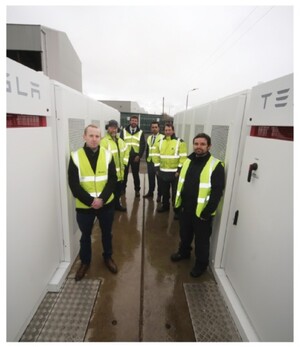
Electricity storage
Irvine, UK
To provide AGP-Irvine with reliable year-round energy for continuous glass production using sustainable battery storage, increasing resilience and energy security.
This Tesla battery system ensures reliable back-up during peak energy use and returns energy to the grid during low demand.
Ardagh Glass Packaging has implemented Europe's largest behind-the-meter storage system, a Tesla Battery Storage System. This innovative solution not only provides a reliable backup during peak energy consumption but also feeds energy back to the grid during low demand.
Energy
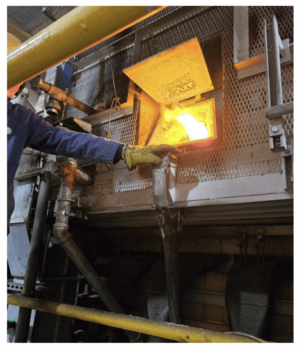
Biofuel Trial
Knottingley, UK
To explore the viability of using biofuel in place of natural gas in the furnace.
Using biofuel in place of natural gas significantly reduces carbon emissions.
Ardagh Glass Packaging has successfully completed a trial to produce glass packaging using biofuel in the furnace at its Knottingley, UK facility. This was part of a Glass Futures initiative to explore alternative, sustainable fuels. The trial replaced 100% of the natural gas with lower-carbon biofuel in the furnace, demonstrating that lower-carbon glass packaging can be produced at commercial scale with no compromise on glass quality or process efficiency.
Energy
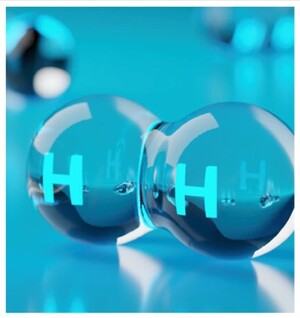
Hydrogen Electrolyser
Limmared, Sweden
To replace 18% of the natural gas in the furnace with hydrogen produced using renewable electricity, reducing the carbon footprint of glass bottles by up to 14%.
Using renewable hydrogen in place of some of the natural gas in the furnace can deliver a significant reduction in CO₂.
AGP has partnered with a large spirits customer to replace 18% of the natural gas in the furnace with hydrogen - produced using renewable electricity - at the AGP-Limmared facility in Sweden. By installing a hydrogen electrolyser onsite, AGP has produced a supply of renewable hydrogen to the furnace, aiming to reduce the overall carbon footprint of glass containers by up to 14%, saving approximately 4,400 tonnes of CO₂ each year.

Lightweighting
Virtual Twin Lightweighting
Irvine, UK
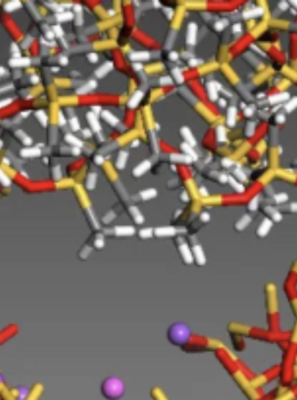
To develop a coating that will enable glass containers to be lighter without compromising strength.
The Virtual Twin project is developing a coating that enables glass containers to be lighter, without compromising strength.
This R&D lightweighting project between Ardagh Group, Exxergy, Dassault Systèmes and Diageo, aims to develop a coating that will enable glass containers to be lighter without compromising strength. The external coating will reduce naturally-occurring micro-cracks in the glass surface, allowing the glass to be much lighter while maintaining its strength.
Lightweighting
300g wine bottle
Barnsley, UK
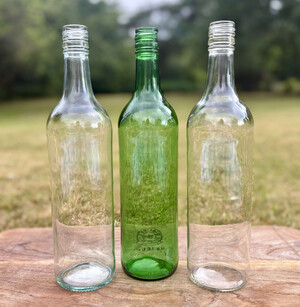
To launch a new 300g lightweight glass wine bottle, combining ultra-lightweight design with high strength and premium shelf appeal.
The 300g lightweight wine bottle delivers the strength and premium look that brands and consumers demand.
The 300g, 75cl bottle - ideal for still wines - is engineered to perform on high-speed filling lines, withstand supply chain handling, and maintain the visual appeal expected of glass packaging, all while delivering a significant reduction in bottle weight.

Low-carbon melting
Efficient Furnace AGP-Doncaster
Doncaster, UK
To build a highly sustainable 'Efficient Furnace' that will minimise greenhouse gas emissions from the glass production process.
This efficient furnace significantly reduces gas consumption, reducing carbon emissions by 14% compared to the previous furnace.
This state-of-the-art furnace at AGP-Doncaster, UK, uses the latest conventional furnace technology with a more efficient melter, significantly lowering gas consumption and carbon emissions. It includes a gas filtration process with advanced filters to reduce other emissions well below industrial standards, reducing CO₂ by 14% compared to the old furnace.
Low-carbon melting
NextGen Furnace
Obernkirchen, Germany
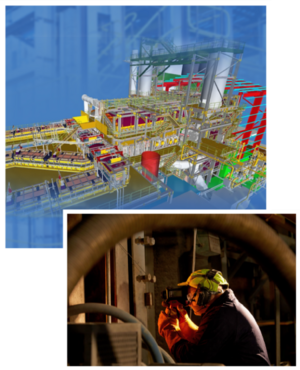
To reduce CO₂ emissions by operating with up to 80% renewable electricity at the AGP-Obernkirchen facility in Germany.
The NextGen Furnace has reduced carbon emissions by 64% per bottle to June 2024.
AGP's breakthrough NextGen Furnace has reached a consistent 64% CO₂ emissions reduction in 2024, and AGP is striving for more. The CO₂ reduction has been achieved by reaching an average rate of 60% electrical heating in the furnace. Depending on the production mix, the NextGen Furnace saves up to 35,000 tonnes of carbon every year, compared to a conventional furnace.
Low-carbon melting
Efficient Furnace AGP-Germersheim
Germersheim, Germany
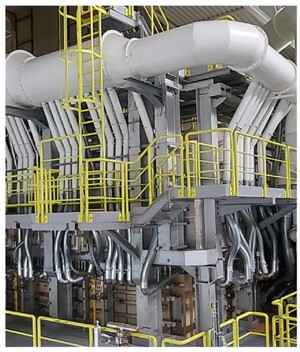
To build a highly efficient regenerative furnace, to minimise carbon emissions from the glass production process.
AGP-Germersheim's efficient regenerative furnace aims to reduce carbon emissions by c. 23%.
This state-of-the-art furnace at AGP-Germersheim, Germany, has converted from recuperative technology to the latest regenerative furnace technology with more efficient melting, significantly lowering carbon emissions by 23%.
Low-carbon melting
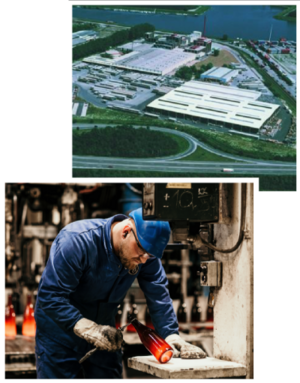
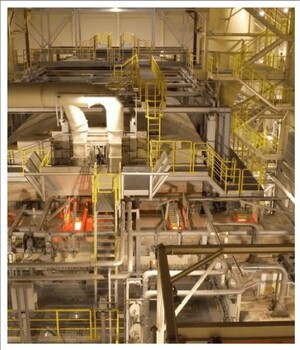
Efficient Furnace AGP-Wyszkow (Furnace 1)
Wyszkow, Poland
To build a highly efficient regenerative furnace and to minimise carbon emissions from the glass production process.
AGP-Wyszkow's efficient regenerative furnace aims to reduce carbon emissions by c. 34%.
This state-of-the-art furnace at AGP-Wyszkow, Poland, has converted from recuperative technology to the latest regenerative furnace technology with more efficient melting, significantly lowering carbon emissions by 34%.
Renewable electricity
Onsite solar energy
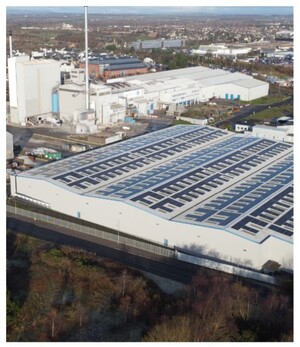
Irvine, UK
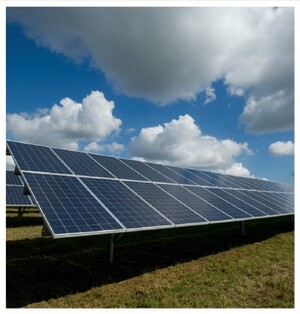
To produce renewable electricity from an onsite solar installation, for the AGP-Irvine facility.
This onsite solar installation is expected to remove the equivalent of c. 356 tonnes of CO₂ annually.
An onsite, rooftop 1.75 Megawatt Peak solar PV installation of 3842 panels at AGP-Irvine in Scotland is generating onsite renewable electricity, which will add enough electricity back to the grid to remove the equivalent of an estimated 356 tonnes of CO₂ annually.
Renewable electricity
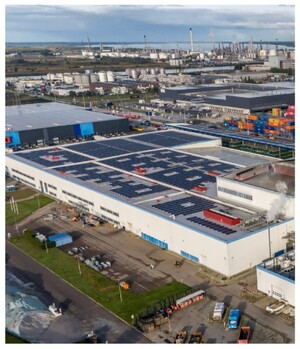
Renewable electricity at AGP-Moerdijk
Moerdijk, The Netherlands
To produce renewable electricity from an onsite solar installation, for the AGP-Moerdijk facility.
This solar installation is expected to reduce this facility's carbon footprint by c. 725 tonnes of CO₂ annually.
AGP's solar installation in Moerdijk, the Netherlands, is expected to generate over 2,500 MWh of electricity each year, reducing the facility’s carbon footprint by an estimated 725 tonnes of CO₂ annually.
Renewable electricity
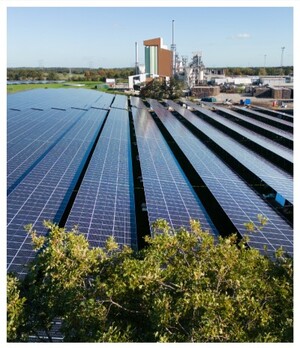
Renewable electricity at AGP-Dongen
Dongen, The Netherlands
To produce renewable electricity from an onsite solar installation, for the AGP-Dongen facility.
This solar installation is expected to generate over 8000MWh of renewable electricity annually.
The solar installation at Ardagh Glass Packaging in Dongen, the Netherlands is expected to generate over 8000 MWh of electricity per annum - a significant step in achieving AGP's target to use 100% renewable electricity by 2030.
Renewable electricity
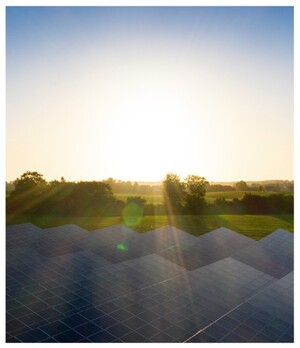
NextGen Furnace – Solar energy PPA
Obernkirchen, Germany
To secure a long-term supply of 100% renewable electricity for AGP’s NextGen Furnace.
This Power Purchase Agreement will secure an annual solar-powered, renewable electricity supply of c. 100 GWh to AGP’s NextGen Furnace.
AGP-Europe has entered a PPA with Sunnic Lighthouse to secure a longer-term solar electricity supply to AGP’s NextGen Furnace in Obernkirchen, Germany, with an annual volume of approximately 100 GWh.
Renewable electricity
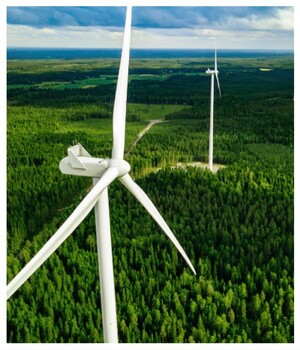
Wind energy PPA – Sweden
Limmared, Sweden
To secure a supply of 100% renewable energy for AGP's European operations.
This Power Purchase Agreement will secure an annual wind-generated renewable electricity supply of c. 400 GWh to AGP-Europe.
AGP has entered a ten year renewable electricity PPA with Renewable Power Capital’s Vitberget wind project in Sweden. It will provide an annual volume of approximately 400 GWh of renewable electricity, covering 40% of AGP-Europe’s power load. It is an incremental step towards achieving AGP-Europe’s goal of transitioning to 100% renewable electricity by 2030.
Renewable electricity
Solar energy PPA - Bulgaria
Bulgaria
To secure a long-term supply of 100% renewable electricity through a solar photovoltaic project in Bulgaria, for AGP’s European operations.
This Power Purchase Agreement is designed to provide c. 100 GWh per year of solar-powered renewable electricity to AGP-Europe.
The PPA, one of the first to be signed in Bulgaria, is intended to provide approximately 100 GWh per year of renewable electricity to AGP-Europe, over 12 years from April 2026. It complements AGP-Europe’s renewable electricity supply from wind power, secured in Sweden. Together, they are designed to provide AGP-Europe with a consistent renewable power supply throughout the year.

Social
Ardagh for Education
Germany (also active in North America, Brazil, and Africa).
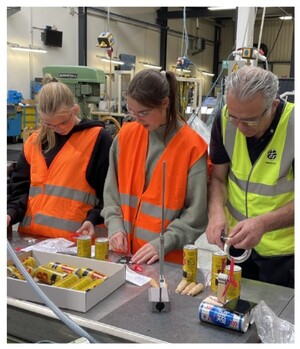
Ardagh for Education's mission is to give back to our communities through quality STEM education, empowering future generations with 21st-century skills by upskilling educators.
Ardagh for Education trains teachers and provides students with high-quality STEM learning experiences to equip them with in-demand, 21st century skills.
Ardagh for Education, a STEM program, enhances teachers' skills through quality training and provides students with hands-on learning to develop 21st-century skills like problem-solving, collaboration, critical thinking and more. In 2024, the program engaged 129 schools in Germany, upskilled 301 teachers and 23 ambassadors, and reached over 6,000 students.

Water
Closed Loop Water Cooling Process
Limmared, Sweden
To deliver a substantial reduction in surface water usage.
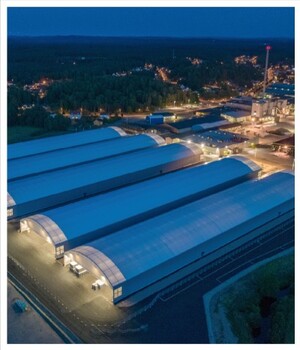
The Closed Loop Water Cooling system replaces water with air to cool down the production process. This reduces water usage.
By installing a two-step, closed-loop, air and water-cooling system, air replaces water previously taken from the nearby river, to cool down the production process, delivering a 66% reduction in surface water usage in 2022 compared with 2021.
Water
Water Reduction Project
Ujscie, Poland
To deliver a reduction in water usage.
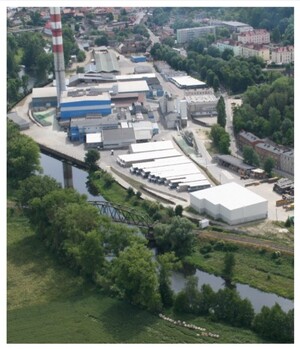
Closed loop systems replace the use of local groundwater to cool the IS machines, with a 25% reduction in water usage.
Independent closed loop systems have been installed for clean and dirty water, in place of using local groundwater, to cool the IS machines, delivering a 25% reduction in water usage in 2022 compared to 2021.

Zero Waste to Landfill
Zero Waste to Landfill
Irvine, UK
To recycle ≥95% of operational waste from each AGP facility.
Eliminating operational waste from the glassmaking process will reduce AGP’s ecological impact.
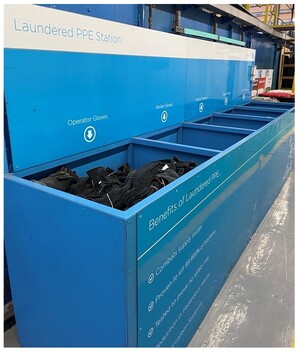
Ardagh Glass Packaging’s Zero Waste to Landfill status recognises the diversion of operational waste from its facilities away from landfills and the environment. Thirteen AGP-Europe facilities have already reached this status, with the goal for all facilities across AGP-Europe to achieve this by 2030.
Zero Waste to Landfill
Zero Waste to Landfill
Knottingley, UK
To recycle ≥95% of operational waste from each AGP facility.
Eliminating operational waste from the glassmaking process will reduce AGP’s ecological impact.
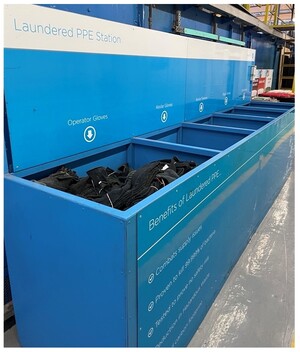
Ardagh Glass Packaging’s Zero Waste to Landfill status recognises the diversion of operational waste from its facilities away from landfills and the environment. Thirteen AGP-Europe facilities have already reached this status, with the goal for all facilities across AGP-Europe to achieve this by 2030.
Zero Waste to Landfill
Zero Waste to Landfill
Barnsley, UK
To recycle ≥95% of operational waste from each AGP facility.
Eliminating operational waste from the glassmaking process will reduce AGP’s ecological impact.
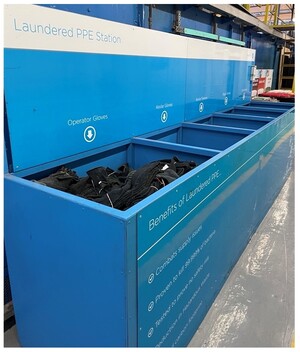
Ardagh Glass Packaging’s Zero Waste to Landfill status recognises the diversion of operational waste from its facilities away from landfills and the environment. Thirteen AGP-Europe facilities have already reached this status, with the goal for all facilities across AGP-Europe to achieve this by 2030.
Zero Waste to Landfill
Zero Waste to Landfill
Doncaster, UK
To recycle ≥95% of operational waste from each AGP facility.
Eliminating operational waste from the glassmaking process will reduce AGP’s ecological impact.
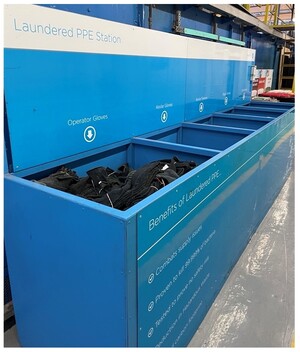
Ardagh Glass Packaging’s Zero Waste to Landfill status recognises the diversion of operational waste from its facilities away from landfills and the environment. Thirteen AGP-Europe facilities have already reached this status, with the goal for all facilities across AGP-Europe to achieve this by 2030.
Zero Waste to Landfill
Zero Waste to Landfill
Wahlstedt, Germany
To recycle ≥95% of operational waste from each AGP facility.
Eliminating operational waste from the glassmaking process will reduce AGP’s ecological impact.
Ardagh Glass Packaging’s Zero Waste to Landfill status recognises the diversion of operational waste from its facilities away from landfills and the environment. Thirteen AGP-Europe facilities have already reached this status, with the goal for all facilities across AGP-Europe to achieve this by 2030.
Zero Waste to Landfill
Zero Waste to Landfill
Nienburg, Germany
To recycle ≥95% of operational waste from each AGP facility.
Eliminating operational waste from the glassmaking process will reduce AGP’s ecological impact.
Ardagh Glass Packaging’s Zero Waste to Landfill status recognises the diversion of operational waste from its facilities away from landfills and the environment. Thirteen AGP-Europe facilities have already reached this status, with the goal for all facilities across AGP-Europe to achieve this by 2030.
Zero Waste to Landfill
Zero Waste to Landfill
Lünen, Germany
To recycle ≥95% of operational waste from each AGP facility.
Eliminating operational waste from the glassmaking process will reduce AGP’s ecological impact.
Ardagh Glass Packaging’s Zero Waste to Landfill status recognises the diversion of operational waste from its facilities away from landfills and the environment. Thirteen AGP-Europe facilities have already reached this status, with the goal for all facilities across AGP-Europe to achieve this by 2030.
Zero Waste to Landfill
Zero Waste to Landfill
Obernkirchen, Germany
To recycle ≥95% of operational waste from each AGP facility.
Eliminating operational waste from the glassmaking process will reduce AGP’s ecological impact.
Ardagh Glass Packaging’s Zero Waste to Landfill status recognises the diversion of operational waste from its facilities away from landfills and the environment. Thirteen AGP-Europe facilities have already reached this status, with the goal for all facilities across AGP-Europe to achieve this by 2030.
Zero Waste to Landfill
Zero Waste to Landfill
Bad Münder, Germany
To recycle ≥95% of operational waste from each AGP facility.
Eliminating operational waste from the glassmaking process will reduce AGP’s ecological impact.
Ardagh Glass Packaging’s Zero Waste to Landfill status recognises the diversion of operational waste from its facilities away from landfills and the environment. Thirteen AGP-Europe facilities have already reached this status, with the goal for all facilities across AGP-Europe to achieve this by 2030.
Zero Waste to Landfill
Zero Waste to Landfill
Neuenhagen, Germany
To recycle ≥95% of operational waste from each AGP facility.
Eliminating operational waste from the glassmaking process will reduce AGP’s ecological impact.
Ardagh Glass Packaging’s Zero Waste to Landfill status recognises the diversion of operational waste from its facilities away from landfills and the environment. Thirteen AGP-Europe facilities have already reached this status, with the goal for all facilities across AGP-Europe to achieve this by 2030.
Zero Waste to Landfill
Zero Waste to Landfill
Germersheim, Germany
To recycle ≥95% of operational waste from each AGP facility.
Eliminating operational waste from the glassmaking process will reduce AGP’s ecological impact.
Ardagh Glass Packaging’s Zero Waste to Landfill status recognises the diversion of operational waste from its facilities away from landfills and the environment. Thirteen AGP-Europe facilities have already reached this status, with the goal for all facilities across AGP-Europe to achieve this by 2030.
Zero Waste to Landfill
Zero Waste to Landfill
Montorio al Vomano, Italy
To recycle ≥95% of operational waste from each AGP facility.
Eliminating operational waste from the glassmaking process will reduce AGP’s ecological impact.
Ardagh Glass Packaging’s Zero Waste to Landfill status recognises the diversion of operational waste from its facilities away from landfills and the environment. Thirteen AGP-Europe facilities have already reached this status, with the goal for all facilities across AGP-Europe to achieve this by 2030.